You Said, We Heard: What Happened at the Golden Valley Social Value Workshop
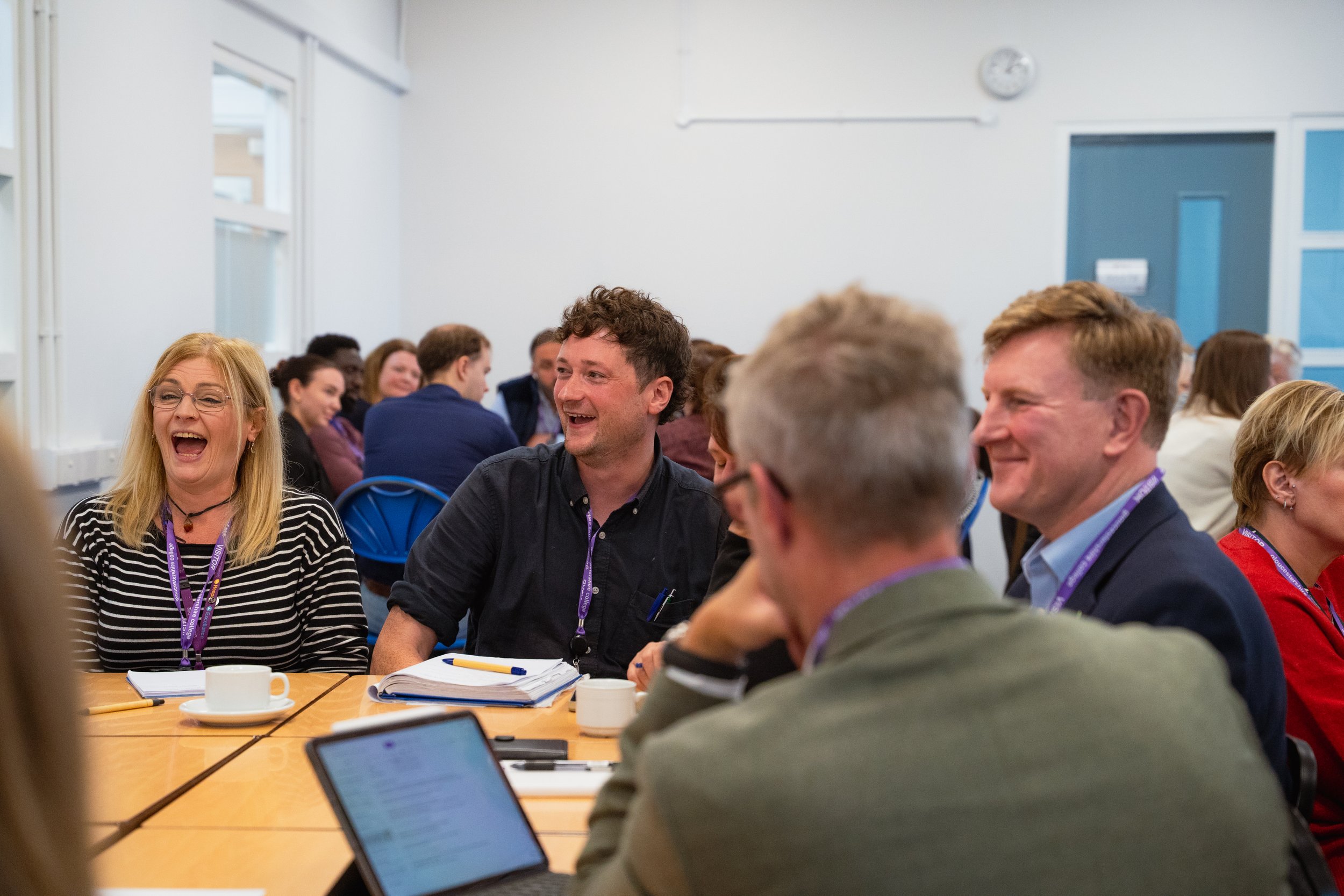
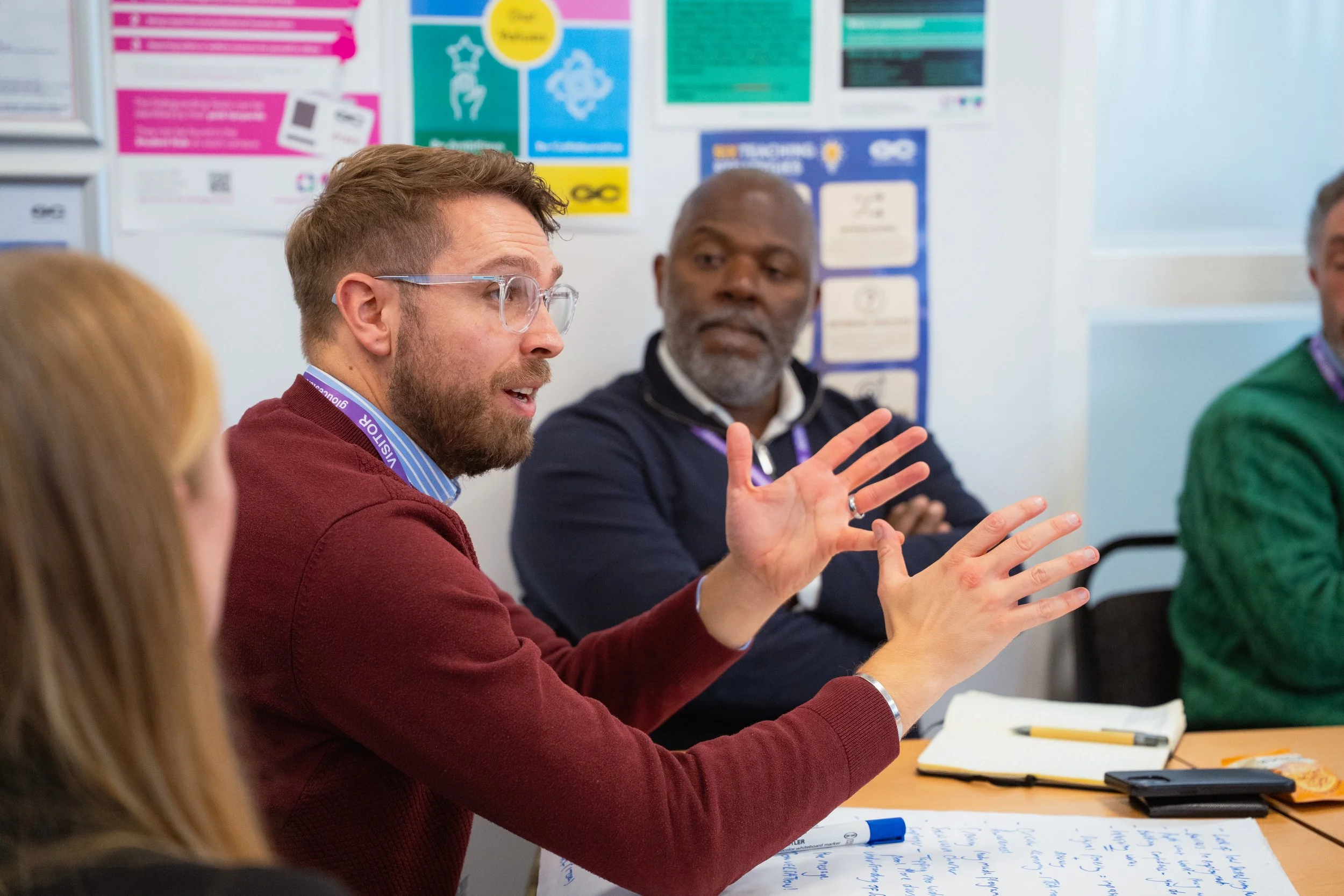
We brought together 50 delegates from across Cheltenham and wider Gloucestershire to explore what social value should look like in practice. Their feedback is already helping to refine how Golden Valley supports local people, organisations and long-term opportunities.
Integrating social value into every stage of the Golden Valley Development (GVD) is paramount to building a strong, inclusive community. That’s what we set out in our Social Value Strategy back in 2024, and it continues to guide how we work today.
But meaningful social value can only be achieved when we understand the needs, concerns and aspirations of the wider community we serve.
That’s why we hosted the Golden Valley Social Value Workshop.
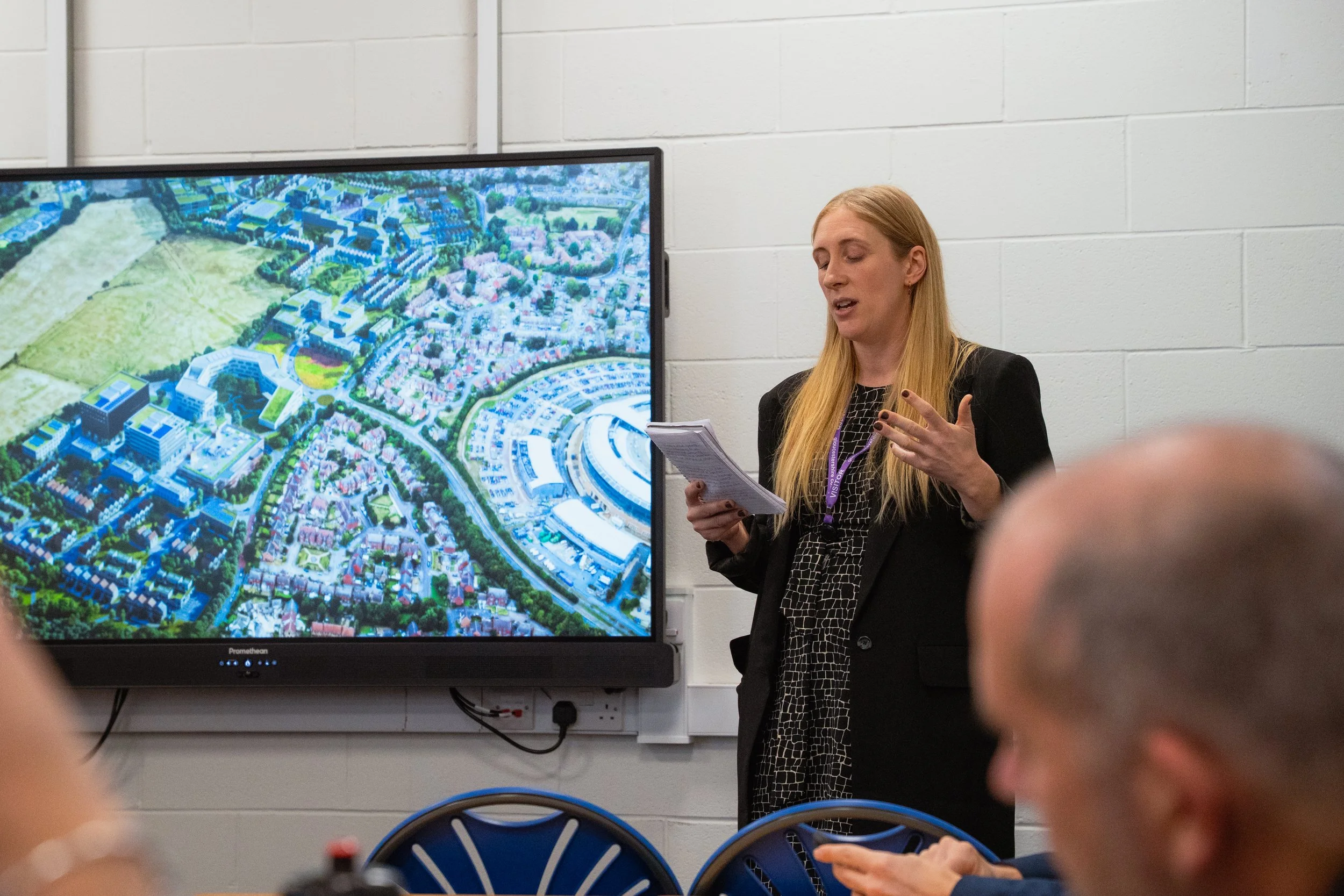
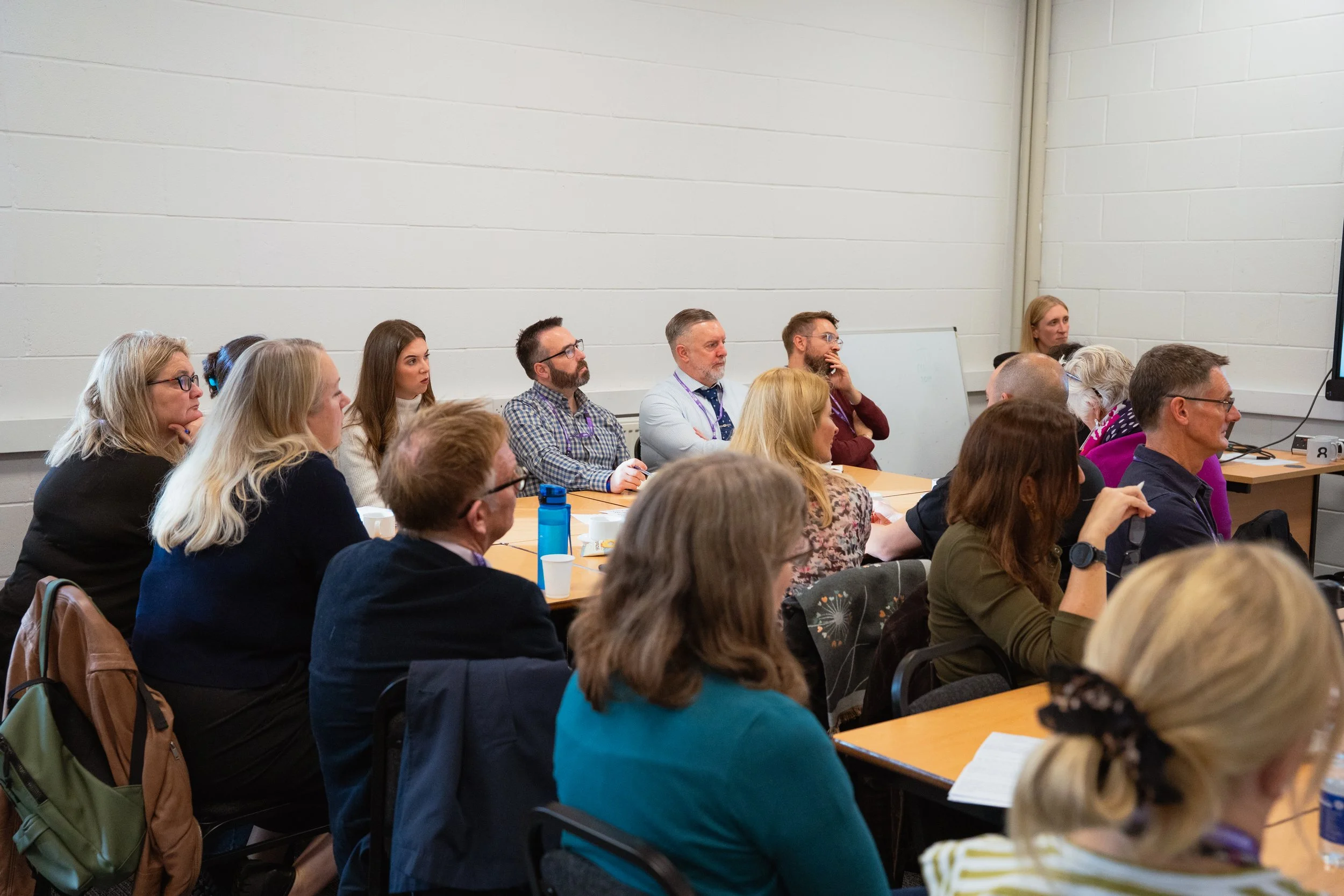
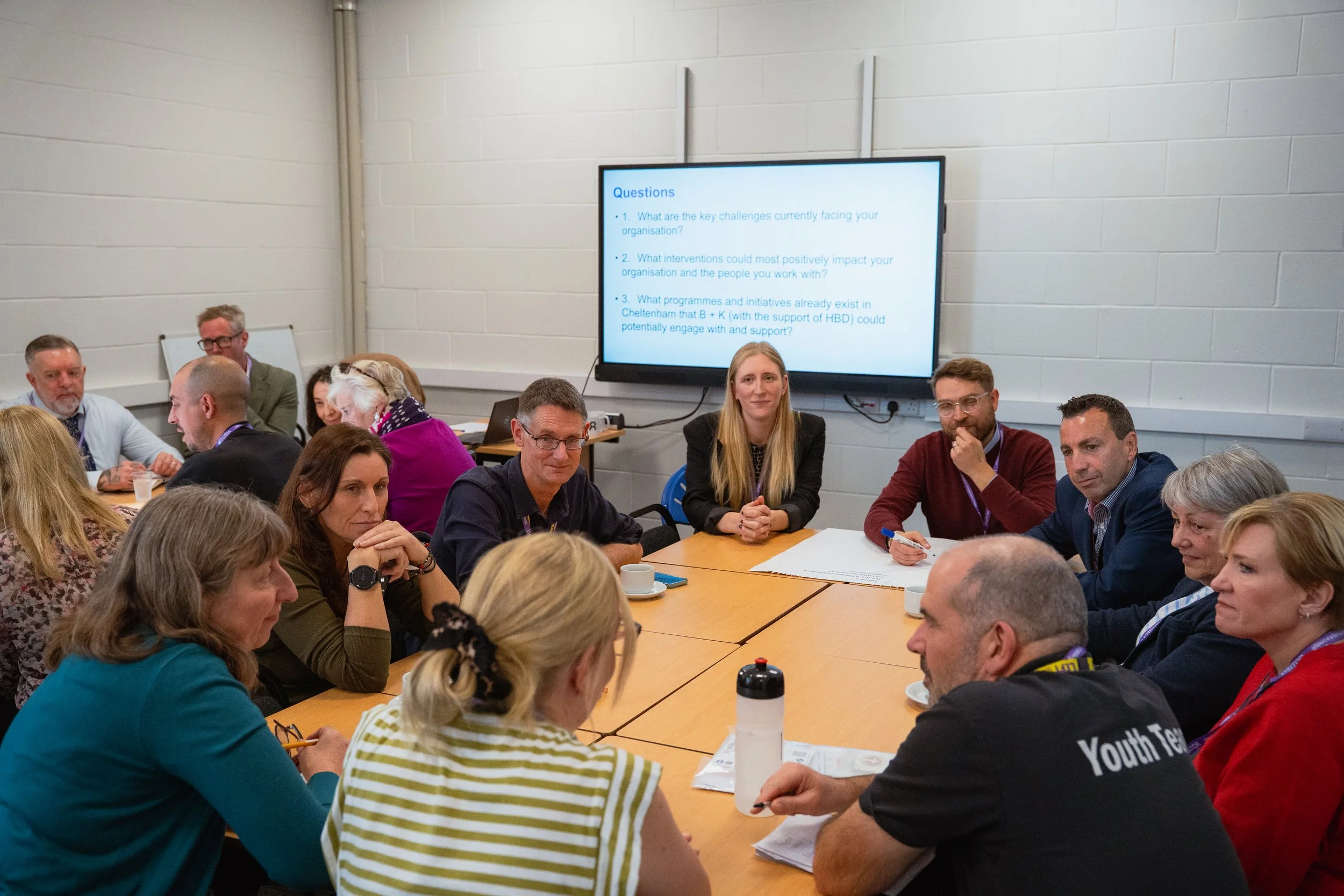
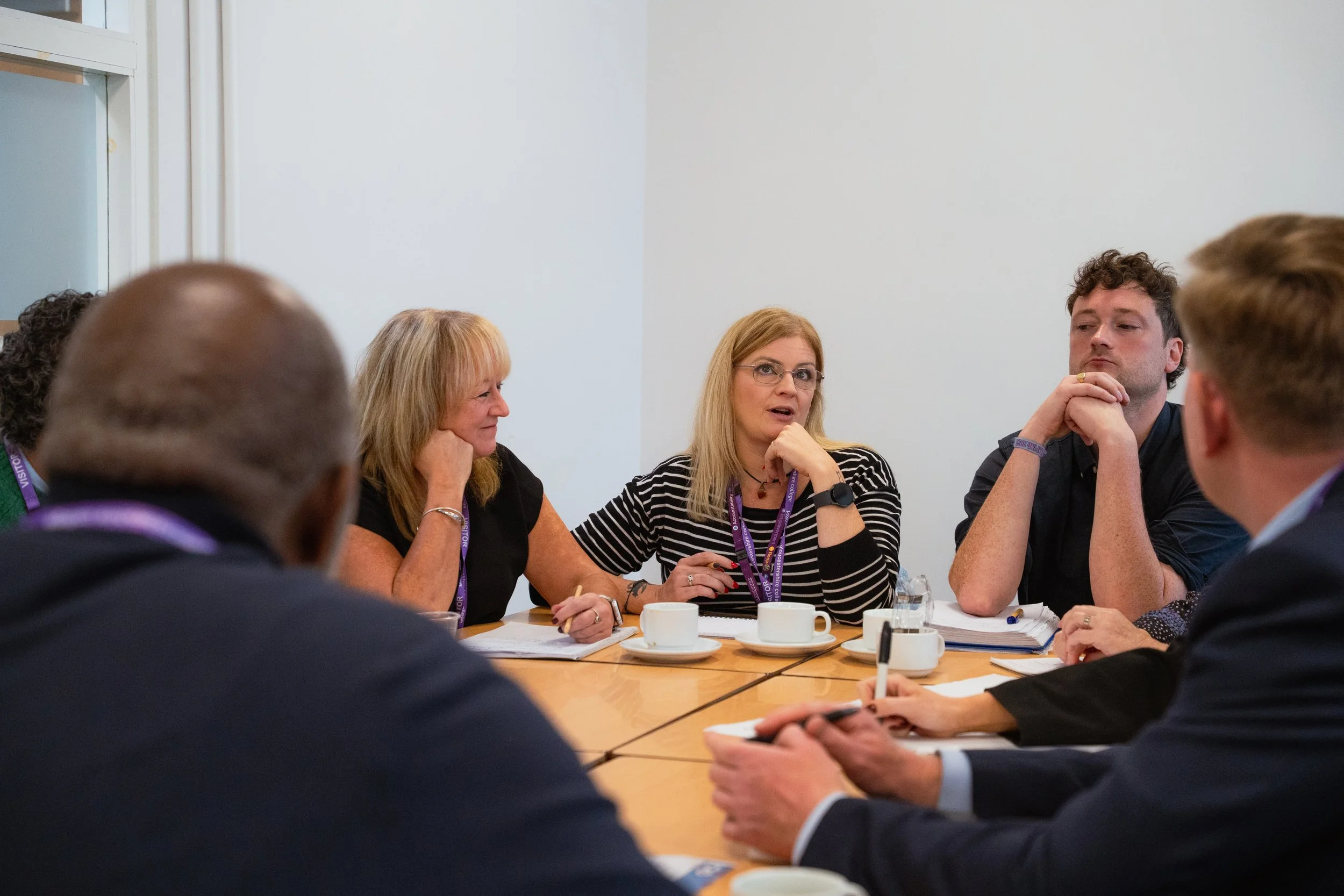
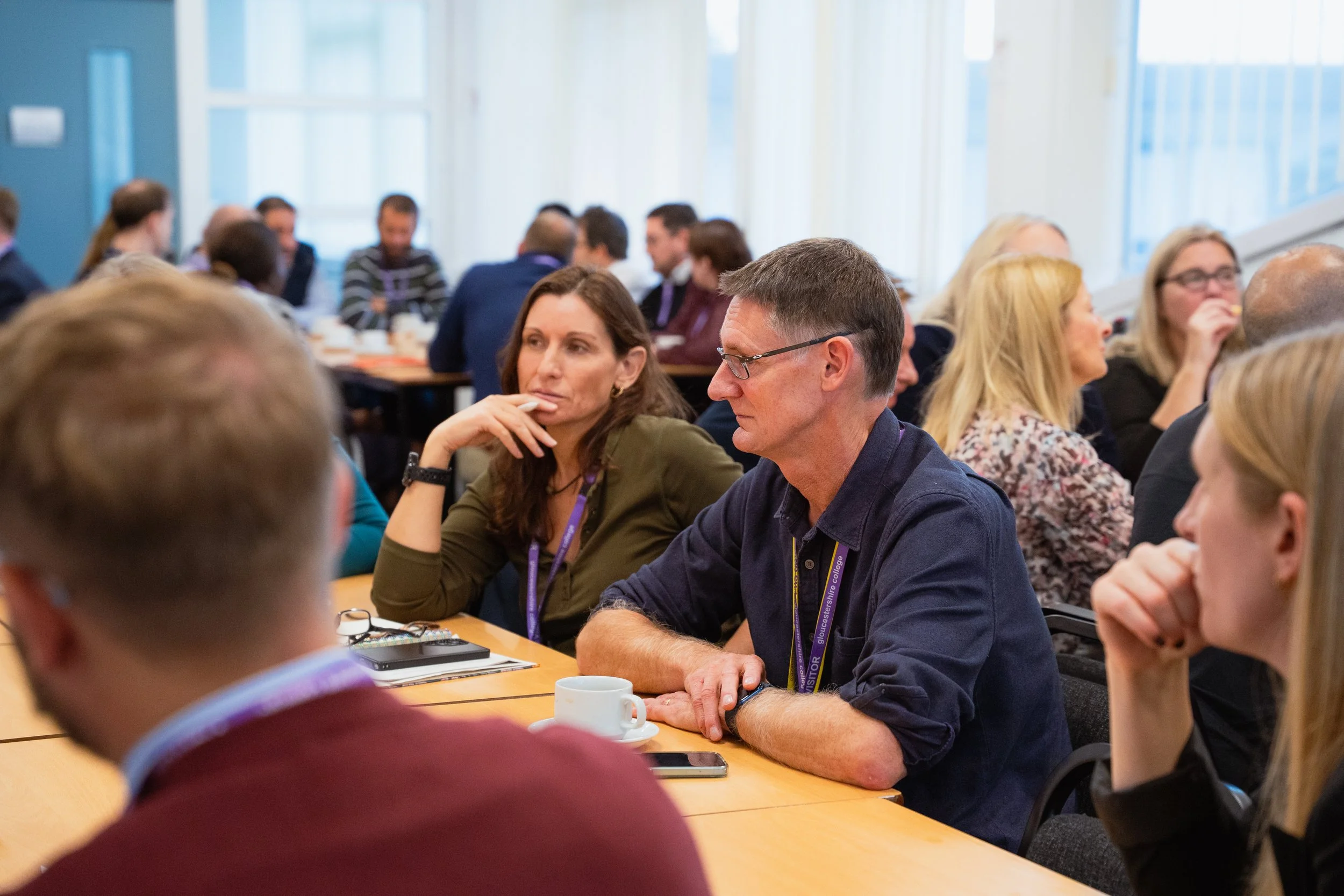
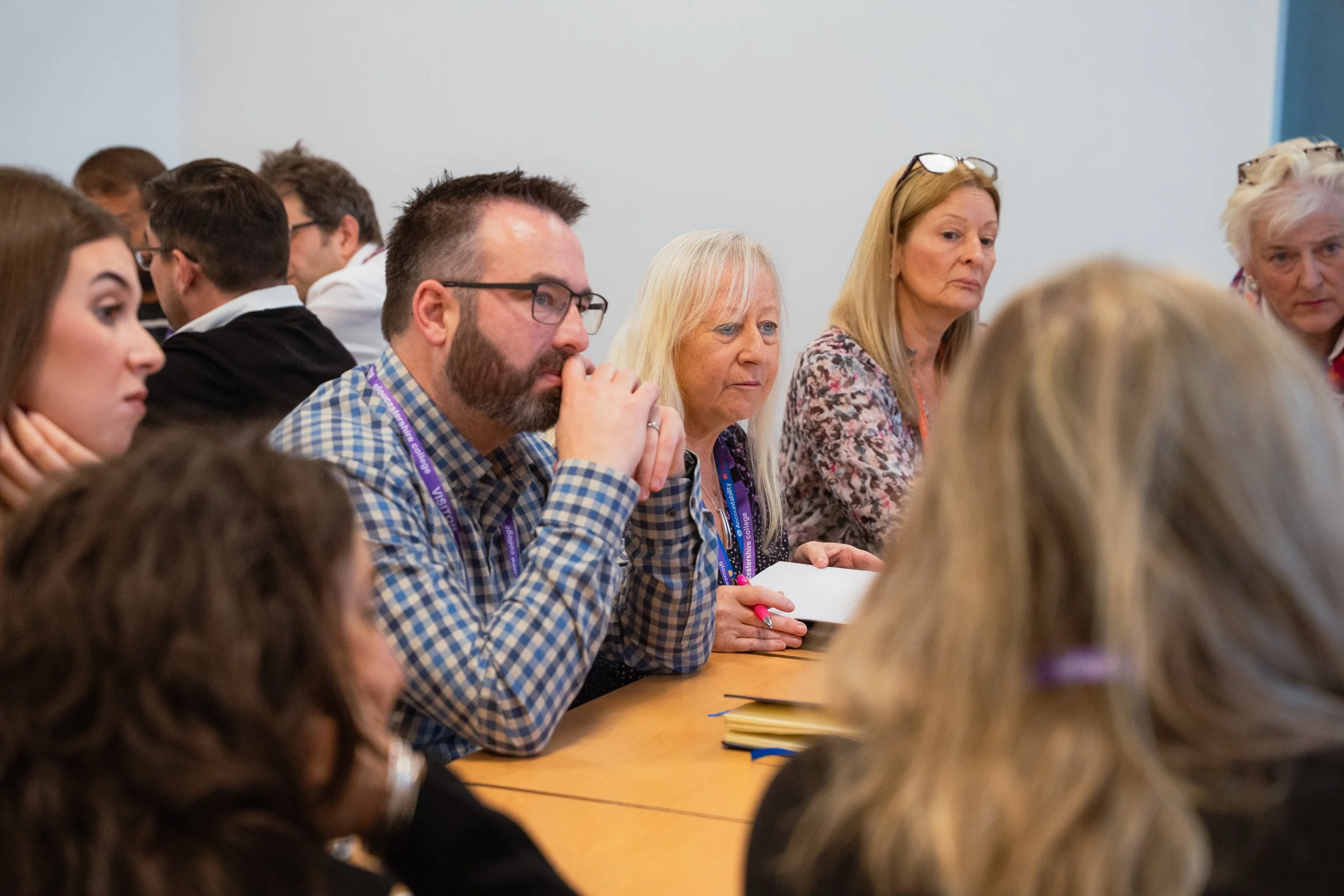
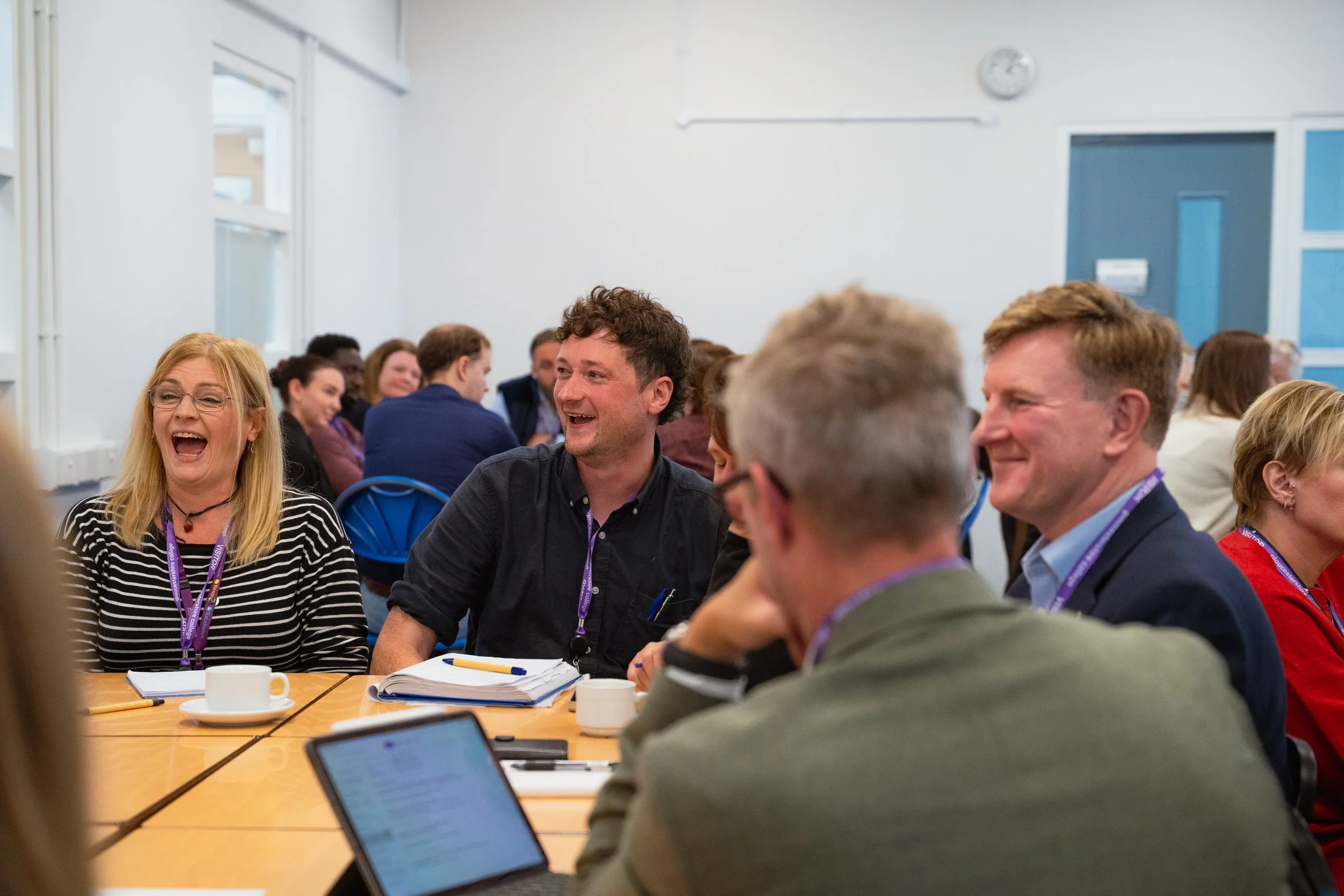
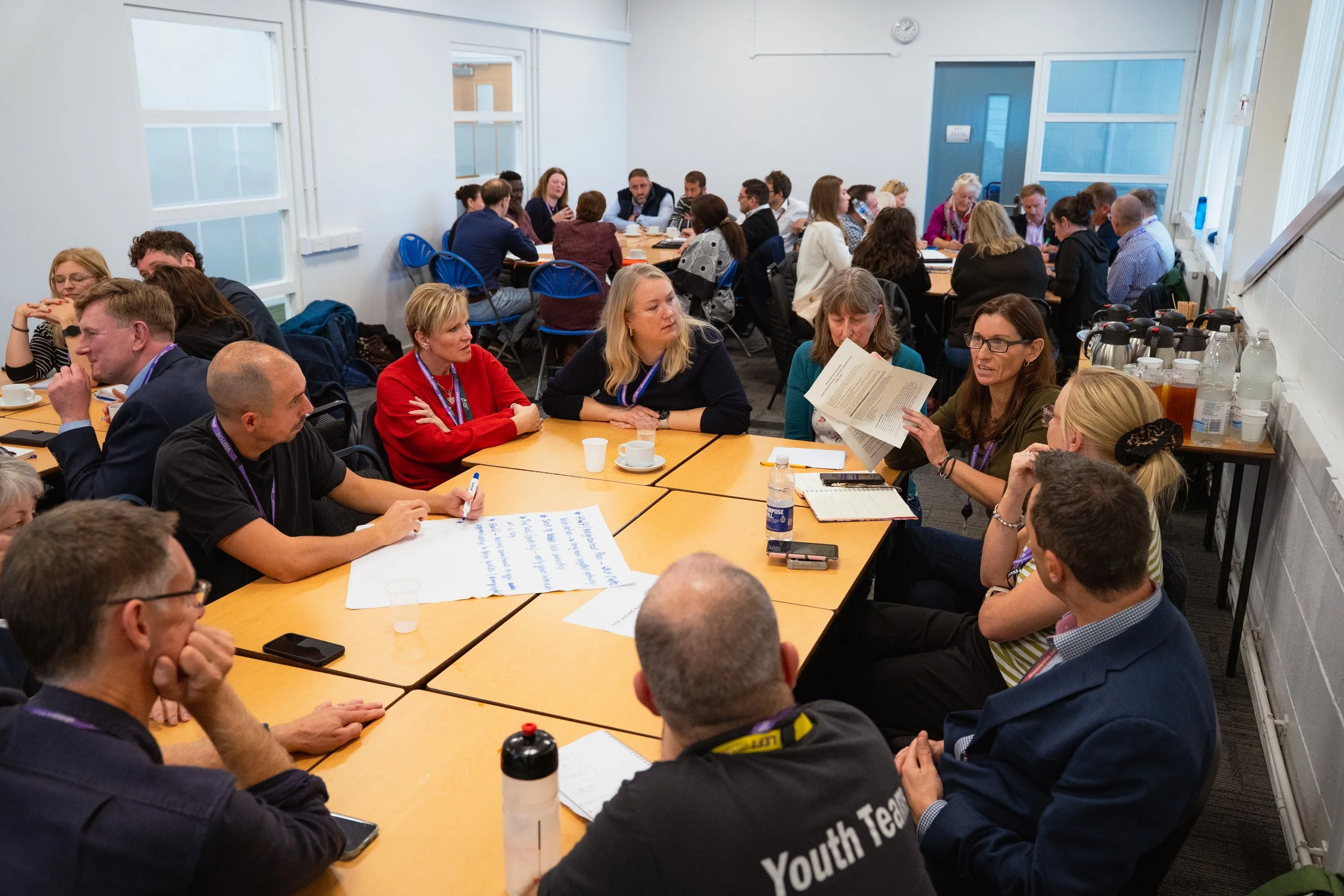
On Tuesday, the 21st of October, we brought together 50 delegates from across council, education, government agencies, and community sectors at Gloucester College to share their perspectives.
After all, for GVD to create lasting positive impacts for Cheltenham and the surrounding areas, it must reflect the voices of the communities that help make it possible. Across the workshop, we explored four central questions. Here’s what was discussed, and how it’s shaping our next steps.
1. What are the Key Challenges Currently Facing Your Organisation?
Our participants shared a wide range of concerns, focusing broadly on community engagement, mental health, opportunities for young people, supply chain considerations and the capacity of local community organisations.
Community Engagement
Golden Valley aims to develop world-first technologies and become a central hub of innovation. In light of these ambitions, attendees voiced their concerns over where local communities fit into this ambition.
With the development located next to Hester’s Way and Springbank, areas facing significant social challenges across the cost of living, unemployment and a general lack of opportunity, participants stressed the need for proactive, meaningful engagement.
We understand how engagement is vital to inform, inspire and consult these local communities to ensure Golden Valley creates a positive impact and brings people along as part of the journey.
Social Isolation and Poor Mental Health
The workshop provided us with valuable insights into the local communities where loneliness and isolation remain problematic. For some groups, the technological ambitions of Golden Valley may feel distant or irrelevant, such as older generations who have limited digital literacy.
Attendees noted the importance of acknowledging these challenges and ensuring that social value initiatives actively support residents who may otherwise feel excluded.
Opportunities for Young People
A recurring question throughout the workshop was how Golden Valley will create accessible employment opportunities for local people, especially young people from disadvantaged backgrounds.
Given Cheltenham’s small and medium-sized enterprise-driven economy, participants voiced concerns that without dedicated career pathways, many residents would struggle to access future work opportunities.
Supply Chain Shortages and Disruptions
A 1 million square foot development understandably caused participants to enquire into the potential construction impacts and supply chain implications.
Minimising disruption to local communities and the environment was considered essential. Some local businesses also questioned how increased supply-chain demand from Golden Valley might affect existing firms in Cheltenham that rely on these networks.
Community Organisations
Several participants expressed that community organisations do not have access to sufficient space required to carry out their services.
Recommendations for Current Challenges
After the discussion, attendees offered several constructive suggestions to address these challenges:
Adopt a whole-family approach that inspires and supports parents and young people.
Maintain regular consultation and collaboration with local communities, cementing the principle of “nothing about us without us.”
Provide a one-stop information service to share ongoing updates and opportunities.
Create clear pathways into jobs and careers, ensuring local people are supported into training, skills development, and employment.
Engage younger people with community services and extra-curricular activities.
Offer practical work experience/placement support to guide people into work and overcome barriers, such as acquiring a Construction Skills Certification Scheme (CSCS) card.
Expand Cheltenham’s cultural offering to ensure it’s inclusive, diverse, and accessible to all communities.
2. What Interventions Could Positively Impact Your Organisation and the People You Work With?
Continuing the vein of diversity and positive discussion, a range of views were shared in response to what interventions could improve our participants’ organisations.
The main points included:
Helping local careers services to tackle barriers to engagement and employment. This could include funding transport to sessions and providing visibility on the job creation timeline, as well as supporting teachers with labour market knowledge.
Providing a rounded career education offering by focusing on basic skills, vocational skills, and sharing linear career pathways.
Collaborating with supply chains and aligning objectives for accountability.
Supporting existing programmes and initiatives.
Building trust through consultations and community presence.
Investing in creating community space and assets.
These interventions reflect a shared ambition to ensure Golden Valley delivers strong, practical, and inclusive benefits for local people.
3. What Programmes and Initiatives Already Exist in Cheltenham that B+K (With the Support of HBD) Could Potentially Engage With and Support?
Participants identified numerous local organisations and initiatives that could serve as valuable partners for the Golden Valley Development.
These included equality, diversity, and inclusion groups such as Lives of Colour, No Child Left Behind, the Cheltenham Culture Board and Cheltenham Borough Council Housing Services, alongside organisations focused on careers and skills development[KS3] , including the Gloucestershire County Council Employment and Skills Hub, ITS Construction and Go Volunteer Glos.
An extensive list was captured during the workshop, reflecting the strength of Cheltenham’s existing community network. It was very encouraging to see so many organisations in the local area doing such brilliant work to support their community.
4. What One Thing Would You Do to Make Cheltenham a Better Place?
Our attendees had the opportunity to “set their Cheltenham to rights” with an overview of the one thing they’d do to improve Cheltenham.
Firstly, many attendees highlighted a strong desire to strengthen Cheltenham’s sense of community, emphasising the importance of accessibility with shared environments for local people, especially young people, giving them a chance to learn and socialise together.
Secondly, education, skills and career development emerged as another central theme, with a call for Cheltenham to expand apprenticeships and entry-level opportunities. Beyond helping students build confidence and foster aspirations, there was a call to encourage families to engage further in their development.
The specifics of this approach included more targeted support for job seekers, including mock interviews, site visits and support to obtain CSCS cards. They also felt that identifying skill gaps by working with local schools and businesses would help the town develop relevant opportunities.
Thirdly, participants also wish to celebrate Cheltenham’s cultural diversity with a desire for the town to showcase areas beyond Montpellier. An incentive that could go hand in hand with improving transport connections and supporting more festivals and events.
Lastly, fostering cultural connections by actively engaging underrepresented groups, such as Black, Asian, and Minority Ethnic (BAME) communities in tech and creative sectors, was key.
Putting Your Feedback into Action
Across the workshop, your responses highlighted a shared focus on accessibility, inclusivity, and improved career pathways. Making Cheltenham a place where everyone can see a future ultimately comes down to connection.
Building those connections begins with conversations like these. By creating space for honest discussion, we can listen, learn and move forward together. We’re grateful to everyone who contributed their time and insight, and we’re committed to turning this feedback into meaningful action.
Our next social value update, which we will share in early 2026, will outline the steps we plan to take in response to your feedback.
Thank you for being part of the journey.
If you have any feedback or additional points you’d like to add, please contact us.